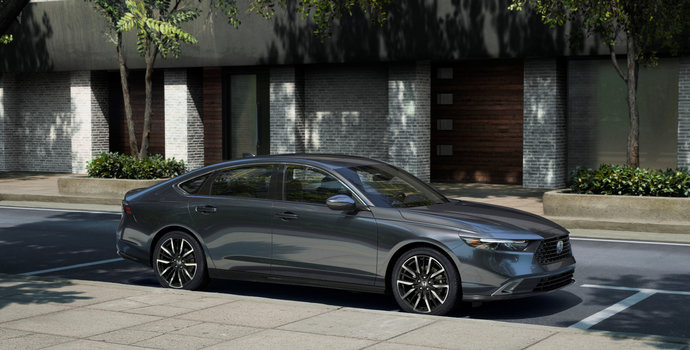
2026 Honda Pilot vs. 2026 Honda Passport: Which SUV Fits Your Family?
Late summer in Ontario means back-to-school shopping, cottage weekends, and carpools starting up again. If you are comparing Honda’s two midsize SUVs, the better choice comes down to one question: which cabin layout matches how your household actually moves?
The 2026 Honda Pilot and 2026 Honda Passport share the same V6 engine and all-wheel-drive system, but they are designed for different lifestyles. The Pilot offers three rows of seating for growing families, while the Passport focuses on flexible cargo space for weekend gear and outdoor adventures.
Honda Pilot vs. Passport at a Glance
| Feature |
2026 Honda Pilot |
2026 Honda Passport |
| Seating Capacity |
Up to 8 passengers (7 on TrailSport) |
Up to 5 passengers |
| Cargo Behind Front Seats |
Up to 3,219 L |
Up to 2,356 L |
| Cargo Behind Rear Seats |
635 L behind third row |
1,246 L behind second row |
| Engine |
3.5 L V6, 285 hp, 262 lb-ft |
3.5 L V6, 285 hp, 262 lb-ft |
| Transmission |
10-speed automatic |
10-speed automatic |
| Drivetrain |
i-VTM4 AWD standard |
i-VTM4 AWD standard |
| Technology |
12.3-inch touchscreen / 10.2-inch digital cluster |
12.3-inch touchscreen / 10.2-inch digital cluster |
Quick Takeaway
The Honda Pilot is designed for families that need passenger flexibility. The Honda Passport is built for drivers who want a spacious two-row SUV with room for larger loads.
Seating, Space, and Family Flexibility
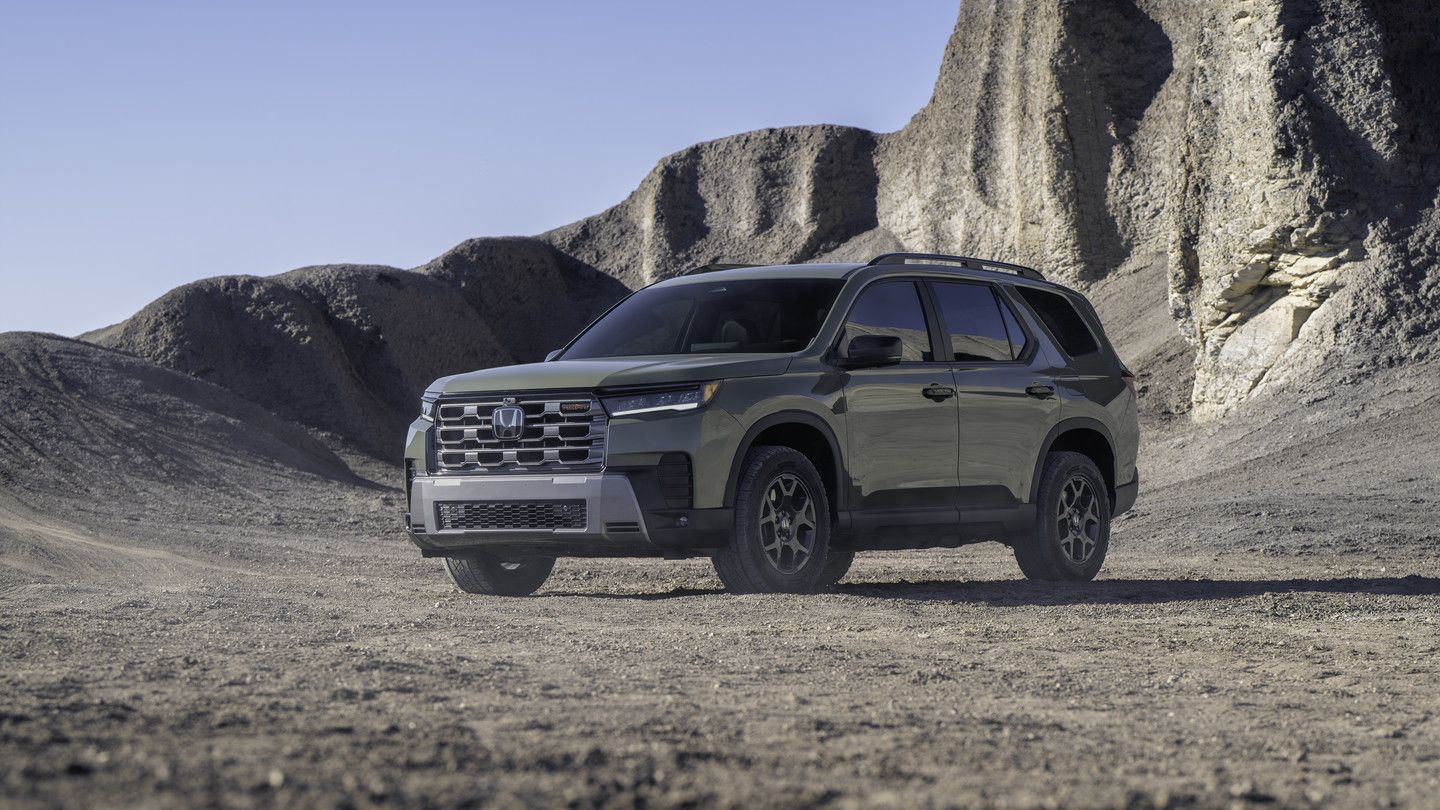
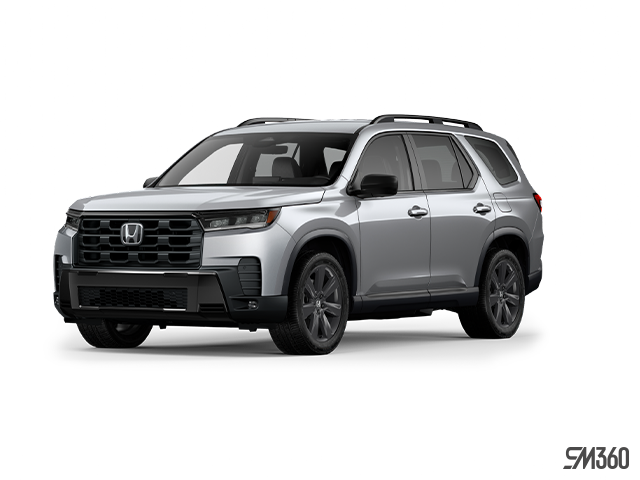
The 2026 Honda Pilot is designed for families that need flexibility. Sport, EX-L, Touring, and Black Edition trims offer seating for up to eight passengers, while TrailSport models provide seating for seven with added adventure-focused capability.
With flexible seating configurations and family-friendly features, the Pilot is ready for everything from daily school runs to weekend road trips with extra passengers.
The 2026 Honda Passport takes a different approach. Its two-row design seats five passengers and creates a spacious cabin with a focus on easy loading and everyday versatility.
Honda Pilot
A strong choice for families who need extra seating, third-row flexibility, and room to adapt as their needs change.
Honda Passport
A great fit for drivers who prefer open cargo space, easy loading, and a two-row SUV designed around active lifestyles.
Cargo and Everyday Loading
The Honda Pilot delivers impressive versatility with up to 1,702 L of cargo space behind the second row. Folding both rear rows opens up to 3,219 L of available cargo space on TrailSport models.
With all three rows in use, the Pilot offers 635 L behind the third row, giving families the option to carry more passengers while still having room for everyday items.
The Passport’s two-row layout provides 1,246 L behind the second row and up to 2,356 L with the seats folded. This makes loading larger items like camping equipment, sports gear, or outdoor supplies simple.
Passenger Space or Cargo Space?
The Pilot gives families additional seating flexibility, while the Passport creates a larger open cargo area. The right choice depends on how you use your SUV every day.
Comfort, Quiet, and Daily Driving
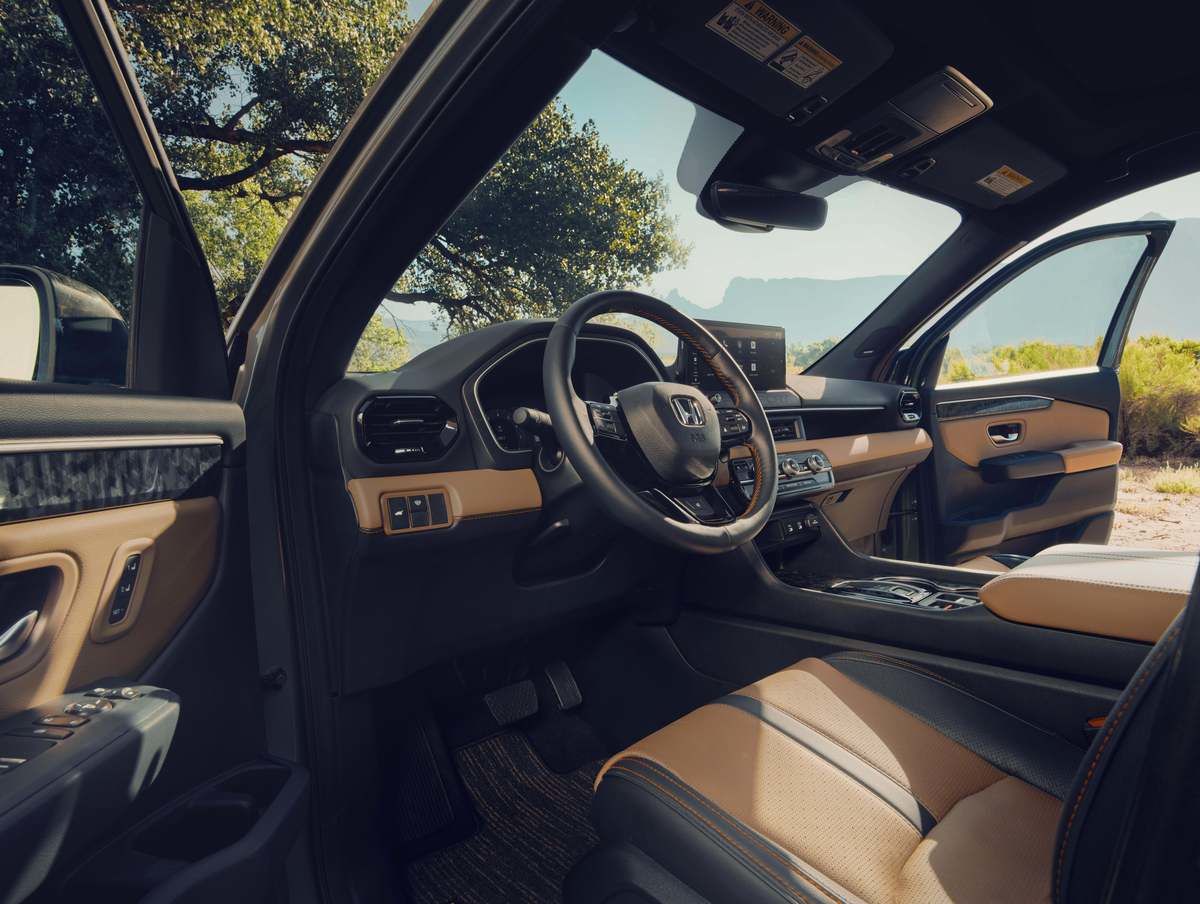
Both SUVs provide a comfortable driving experience with thoughtful cabin design, advanced technology, and available premium features designed for daily convenience.
The 2026 Honda Pilot adds additional cabin refinement with sound-absorbing materials, added insulation, and semi-tempered door glass designed to reduce outside noise.
Available camera technology also helps make parking and outdoor driving easier. Select Pilot trims feature a 360-degree camera system, while Passport TrailSport Touring includes TrailWatch camera technology.
Shared Powertrain, Different Personalities
Both the 2026 Honda Pilot and 2026 Honda Passport use a 3.5-litre V6 engine producing 285 horsepower and 262 lb-ft of torque. A 10-speed automatic transmission and i-VTM4 all-wheel-drive system come standard on both models.
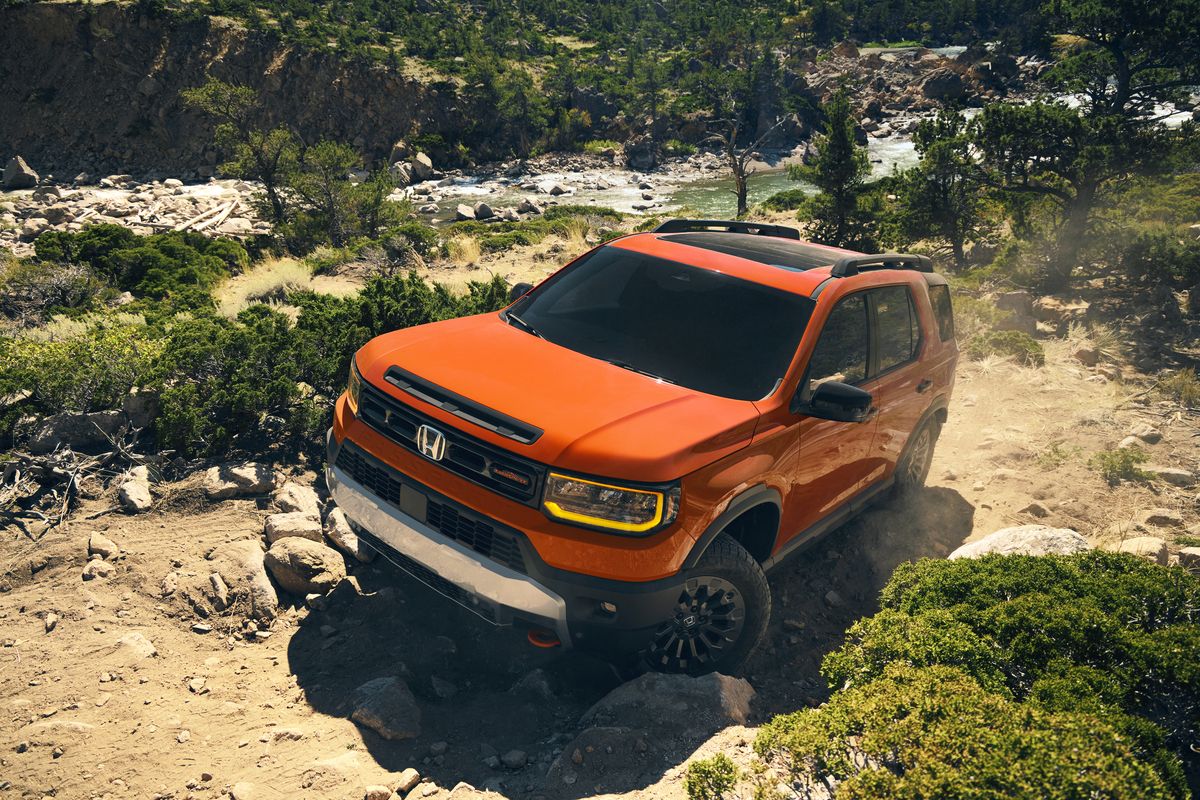
The Pilot balances family comfort with available TrailSport capability, while the Passport focuses on adventure-ready performance with TrailSport equipment across its lineup.
Both SUVs include drive modes designed for different conditions, including Normal, Econ, Snow, Sport, and Tow modes. Passport adds Trail and Sand modes as standard, while these modes are available on higher Pilot trims.
Technology and Safety Features
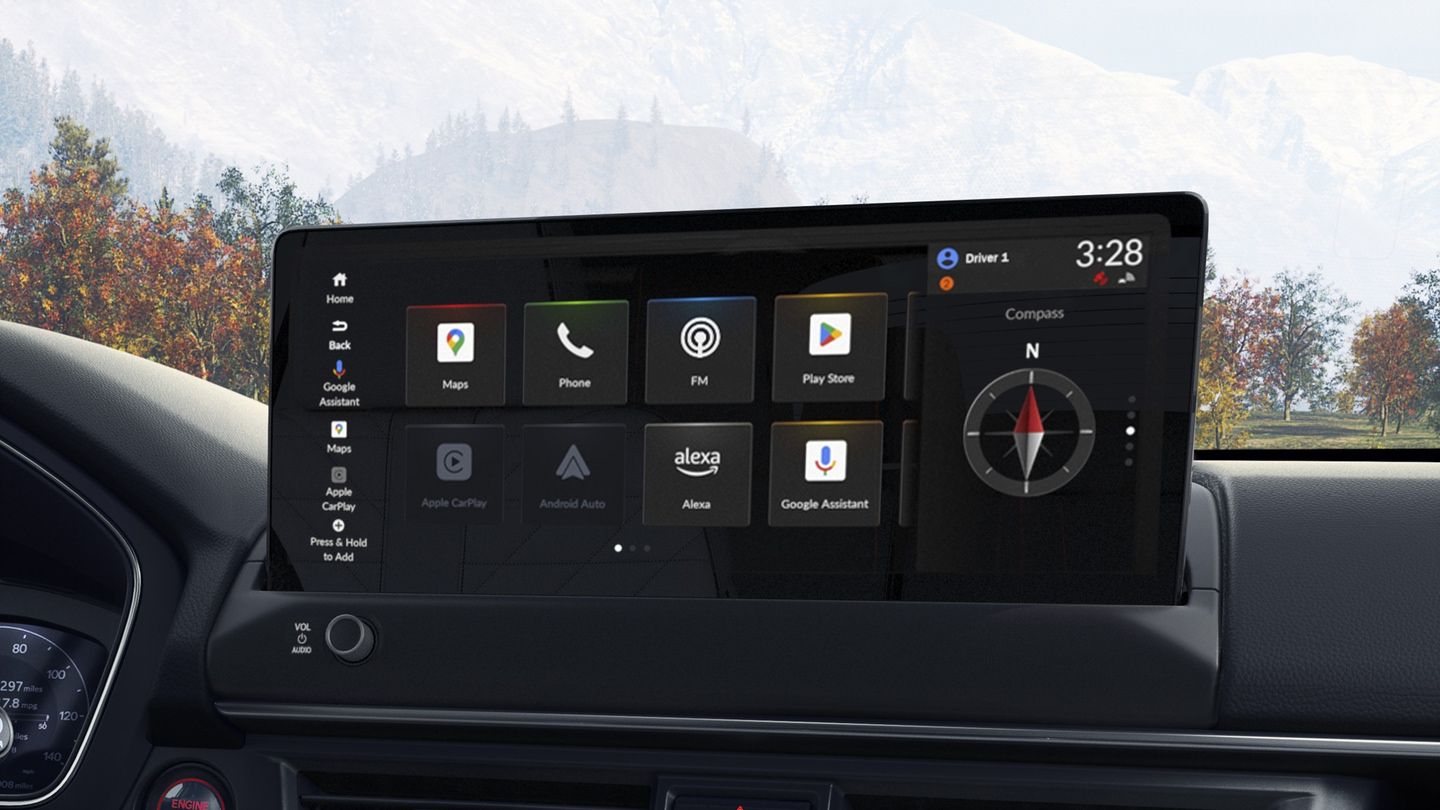
The Pilot and Passport share Honda technology designed to keep drivers connected. Both feature a 12.3-inch touchscreen display, a 10.2-inch digital driver display, wireless Apple CarPlay, Android Auto, Google built-in, and available Wi-Fi hotspot capability.
Honda Sensing driver-assistive technology and Honda’s Advanced Compatibility Engineering body structure are standard on both SUVs, helping provide confidence for everyday driving.
Which Honda SUV Fits Your Drive?
Choose the Honda Pilot
The Pilot is ideal for families who regularly carry extra passengers, need third-row seating, or want an SUV that can adapt to changing schedules.
Choose the Honda Passport
The Passport is designed for drivers who want generous cargo space, comfortable seating for five, and adventure-ready capability.
See the Pilot and Passport at Orangeville Honda
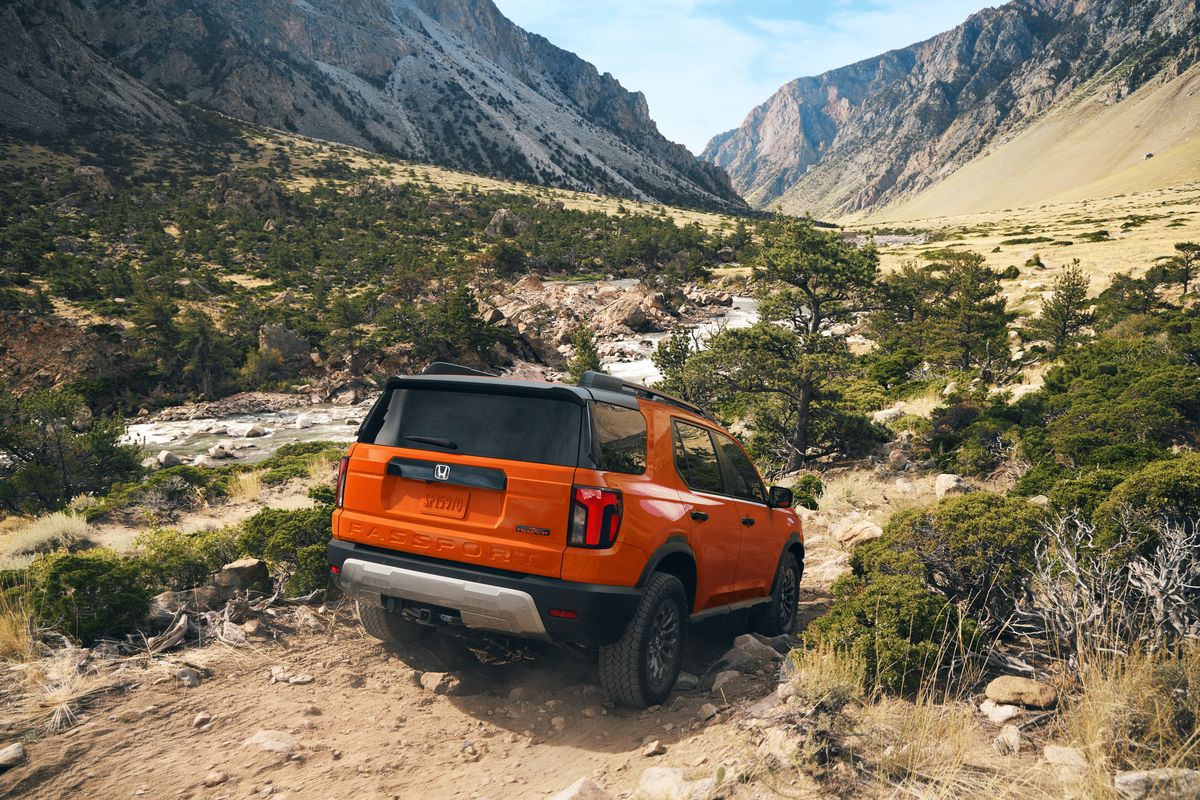
The 2026 Honda Pilot and 2026 Honda Passport offer two different approaches to midsize SUV ownership. The Pilot delivers passenger flexibility for growing families, while the Passport focuses on spacious cargo and outdoor-ready capability.
Visit Orangeville Honda to compare both SUVs in person, explore the different cabin layouts, and find the model that fits your lifestyle.
Explore the 2026 Honda Pilot and Passport at Orangeville Honda
Experience both Honda SUVs in person and compare seating, technology, cargo space, and capability with our team.
Shop Our Inventory